
How to choose your sports glasses?
The importance of clear vision is essential for sports performance, with over 80% of information processed through the eyes. It is estimated that 10% of eye injuries are sports-related, so protect yourself: “The right protection for every sport”.
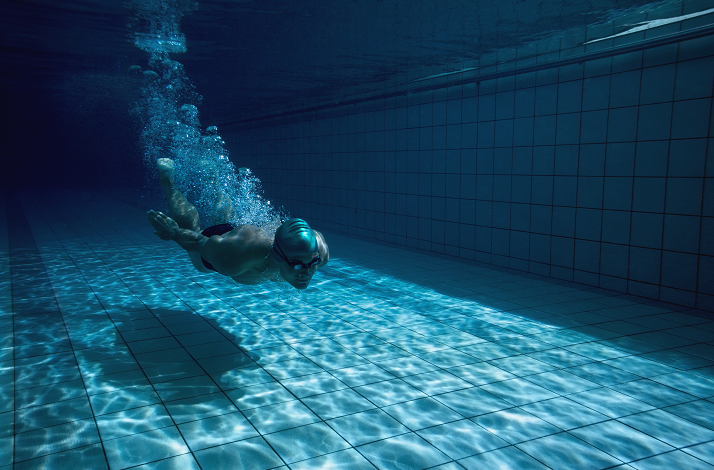
] HOW TO CHOOSE SWIMMING GOGGLES / A DIVING MASK?
- KEY FACTORS TO CONSIDER
Water tightness, exposure to salt or chlorine, fogging, vision correction, and pressure resistance.
- TIPS AND SOLUTIONS
Anti-fog and UV protection coatings. After use, rinse equipment only with clean water to improve durability.
- MORE SPECIFICALLY
Swimming goggles
Choose goggles with hypoallergenic silicone seals for optimal watertightness.
Diving masks
- Scuba diving: Choose a transparent skirt to improve brightness and peripheral vision.
- Freediving and spearfishing: Low-volume masks reduce air consumption during equalisation. Black silicone skirts limit glare from the water surface.
- Prescription lenses: Whether you are short-sighted, long-sighted, astigmatic or presbyopic, masks can be fitted with corrective lenses. A twin-lens mask is recommended.
- Mask seal test: Place the mask on your face, inhale to hold it in place, then release it. If it stays, it is watertight.
- Protection: Store your mask in a protective case to prevent damage.
] HOW TO CHOOSE CYCLING, ROLLER & MTB GLASSES?

- KEY FACTORS TO CONSIDER
Wind, debris, sudden movements, field of vision, impacts and the environment.
- TIPS AND SOLUTIONS
Choose interchangeable lenses suited to weather conditions (yellow for fog, tinted for sunshine). Wraparound designs improve protection and visibility.
- MORE SPECIFICALLY
Slim temples fit comfortably under helmets.
] HOW TO CHOOSE FISHING & WATER SPORTS GLASSES?
- KEY FACTORS TO CONSIDER
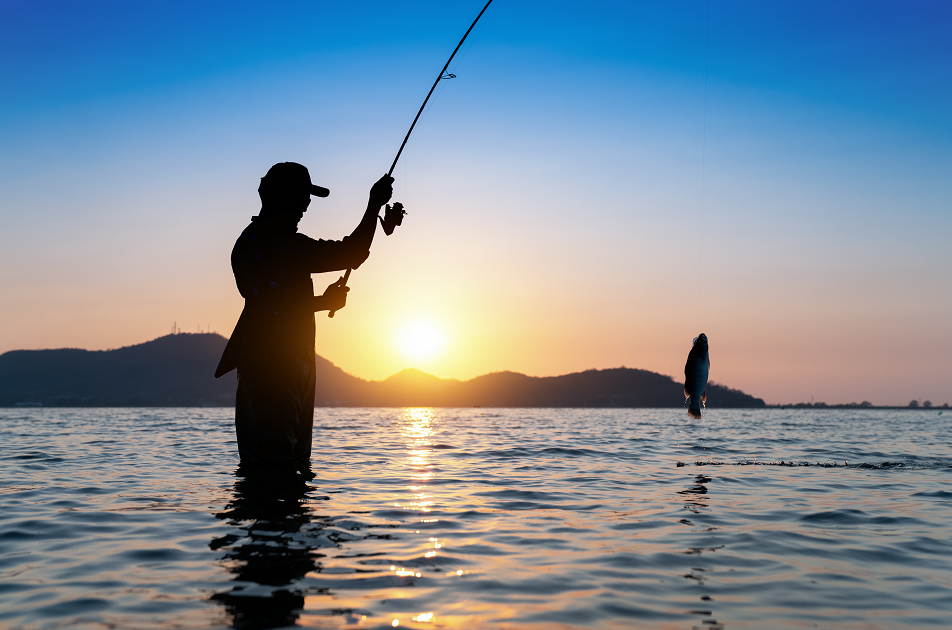
Sunlight, reflections on water, mist and spray.
- TIPS AND SOLUTIONS
Polarised lenses reduce glare and improve visibility in and on the water while offering side protection.
] HOW TO CHOOSE BALL SPORTS GLASSES?
- KEY FACTORS TO CONSIDER
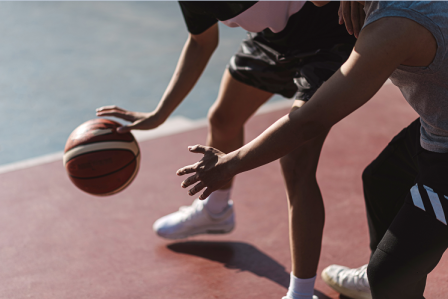
Impacts, movement, field of vision and playing conditions.
- TIPS AND SOLUTIONS
Lightweight, durable and stable frames are essential. For outdoor sports, choose tinted or photochromic lenses.
- MORE SPECIFICALLY
Rugby glasses
Only approved protective masks such as RUGBY GOGGLES are allowed in official matches.
Tennis glasses
Blue-turquoise lenses improve contrast between the ball and clay courts.
Golf glasses
Pink lenses enhance ball visibility against green backgrounds.
] HOW TO CHOOSE SKI GOGGLES & SNOW SPORTS GLASSES?

- KEY FACTORS TO CONSIDER
Strong light, UV/IR radiation, extreme weather, fogging and reduced depth perception.
- TIPS AND SOLUTIONS
Choose wraparound frames or side shields for maximum protection.
- MORE SPECIFICALLY
Ski / snowboard goggles
Double lenses prevent condensation.
Glacier glasses
Category 4 lenses with side protection offer maximum protection. Not suitable for driving.
] HOW TO CHOOSE BALLISTIC GLASSES?

- KEY FACTORS TO CONSIDER
Shooting environment, debris, dust, wide field of vision and fogging.
- TIPS AND SOLUTIONS
Choose certified protective equipment with wide coverage and UV protection if required.
] HOW TO CHOOSE A VIRTUAL REALITY HEADSET?
- ADVICE AND SOLUTIONS
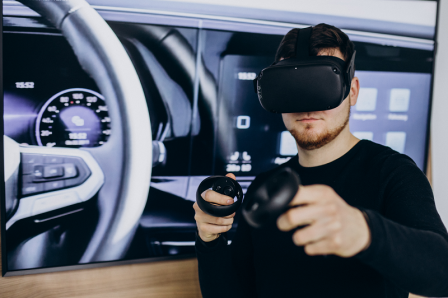
If you wear prescription glasses, make sure that the headset you choose is compatible with wearing glasses. In all cases, your glasses must be of standard size, thickness and shape to fit inside the headset. Trying before buying is strongly recommended.
To ensure optimal visual quality and avoid damaging both your glasses and your VR headset, the most suitable solution is to opt for prescription inserts adapted to your vision. These are optical lenses that clip inside the VR headset. Choose magnetic VR inserts to easily share your headset with other users.
Wearing contact lenses is fully compatible with all VR headsets. However, they must be prescribed by an ophthalmologist. Their use combined with a VR headset may increase eye dryness (resulting in discomfort and irritation).
Protect your eyes from blue light emitted by the headset by wearing lenses with blue light filtering treatment (either fitted in glasses or inserts) or by using specific contact lenses.